
10 Animals That Look Fake But Are Real (With Photos)
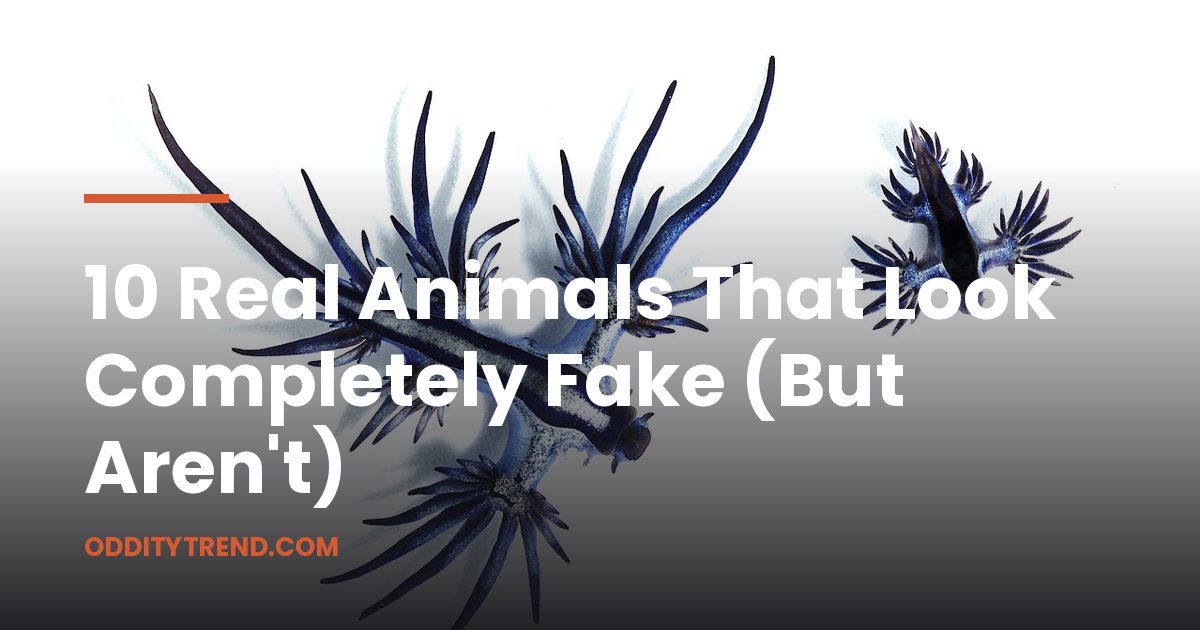
Some animals look like someone made them in a 3D modelling program and forgot to finish the job. A sea slug that looks like a tiny blue dragon. A crab with legs longer than a car. A mole with a pink star where its nose should be. Every animal on this list is real, still alive today, and photographed in the wild or in research collections. Here are the 10 animals that look the most fake, why they evolved to look that way, and where you could actually see one.
| Animal | Where it lives | Why it looks fake |
|---|---|---|
| Blue dragon | Open ocean, worldwide | Neon blue “wings” on a 3 cm body |
| Saiga antelope | Central Asian steppe | Huge, droopy, inflatable-looking nose |
| Shoebill | East African swamps | A bill shaped like a wooden clog |
| Maned wolf | South American grasslands | A fox on stilts |
| Star-nosed mole | Eastern North America | 22 pink tentacles on its face |
| Pink fairy armadillo | Central Argentina | A pink shell on a palm-sized body |
| Japanese spider crab | Deep water around Japan | Leg span of up to 3.7 m |
| Axolotl | Lake Xochimilco, Mexico | Permanent smile and feathery gills |
| Sunda colugo | Southeast Asian forests | A furry living kite |
| Yeti crab | Deep-sea vents, South Pacific | Arms covered in blond “fur” |
1. The Glaucus Atlanticus (Blue Dragon)
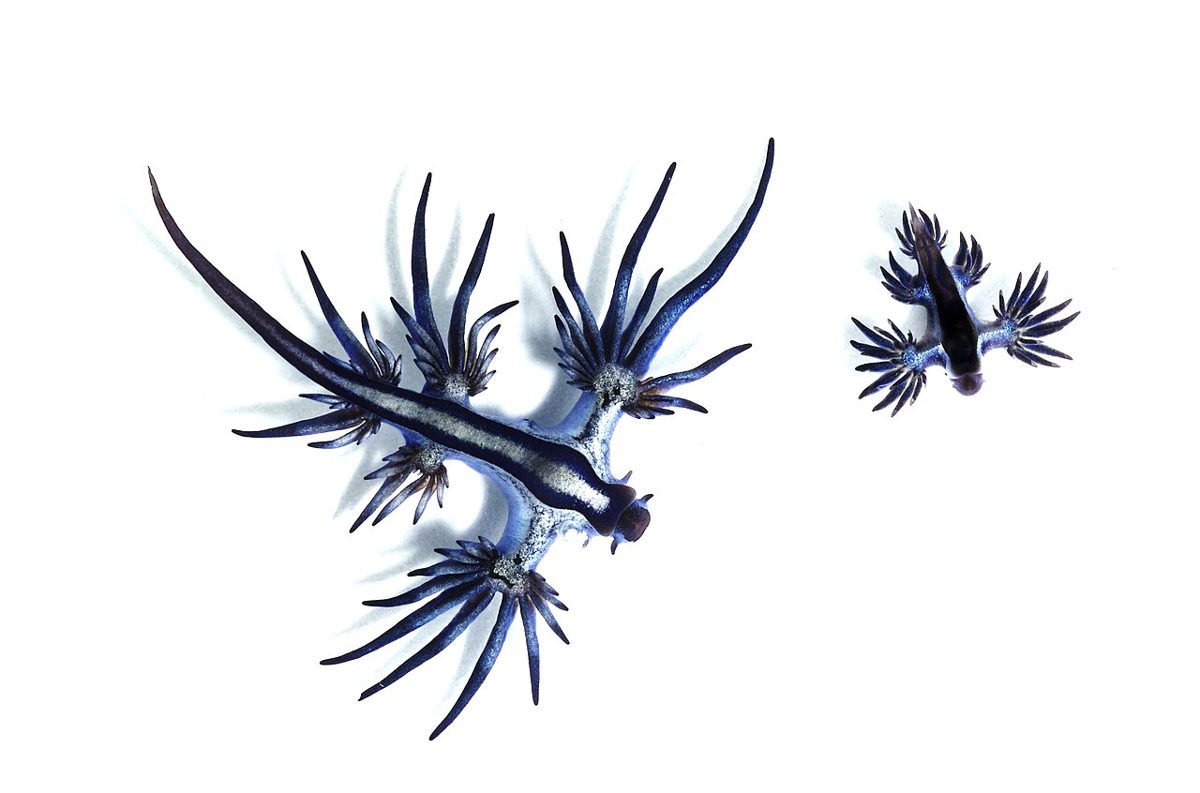
The blue dragon is a sea slug about 3 cm long, coloured electric blue and silver, with finger-like “wings” fanning out from its body. It floats upside down on the ocean surface, kept up by an air bubble it swallows, and drifts wherever the wind and currents take it.
Its colouring is camouflage: the blue side faces up to blend with the water, and the silver side faces down to blend with the bright surface when seen from below. The dangerous part is its diet. It eats the Portuguese man o’ war and stores the stinging cells it swallows, so touching one that washes up on a beach can give you a painful sting. Look, don’t touch.
2. The Saiga Antelope
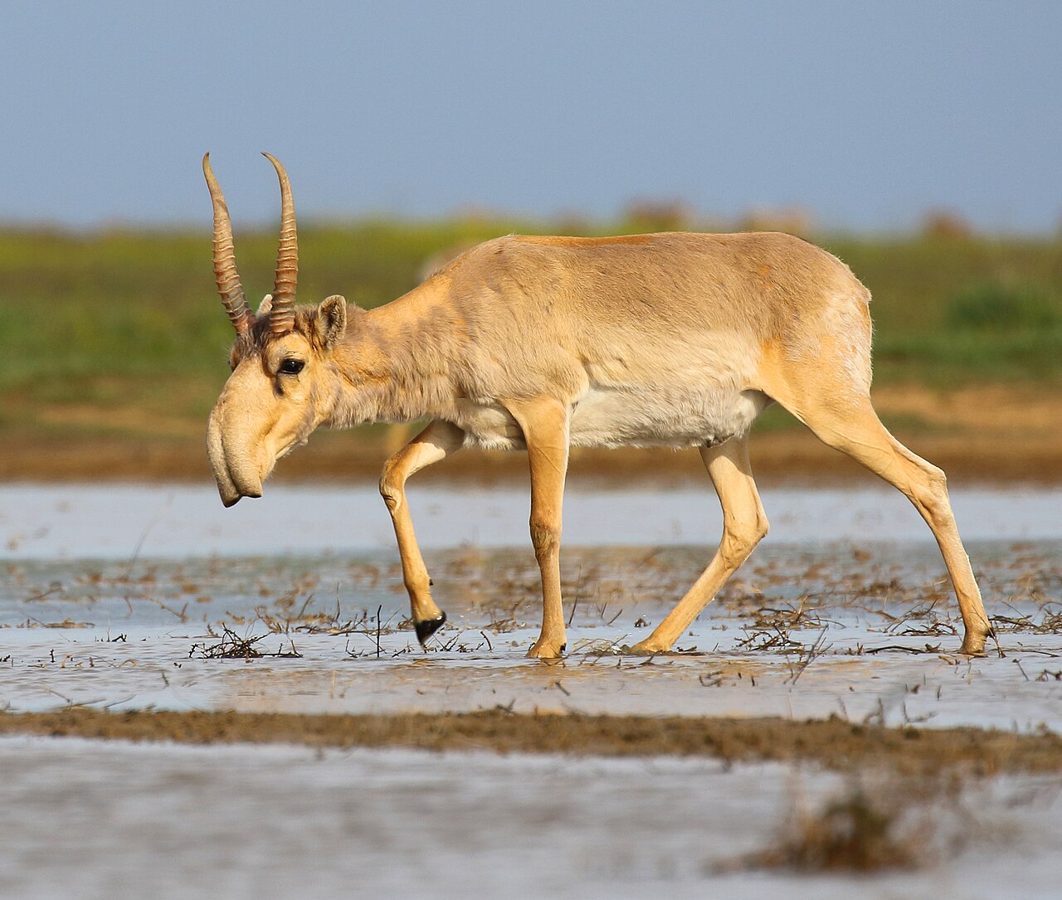
The saiga looks like an ordinary antelope wearing a novelty nose. That oversized, flexible snout does a real job on the dry steppes of Kazakhstan, Russia and Mongolia: it filters out dust kicked up by the herd in summer and warms freezing air before it reaches the lungs in winter.
The saiga is also a conservation comeback story. In 2015 around 200,000 died within weeks from a bacterial infection linked to unusual heat and humidity. Protection efforts have since brought numbers back so strongly that in 2023 the IUCN Red List moved the species from Critically Endangered to Near Threatened.
3. The Shoebill Stork
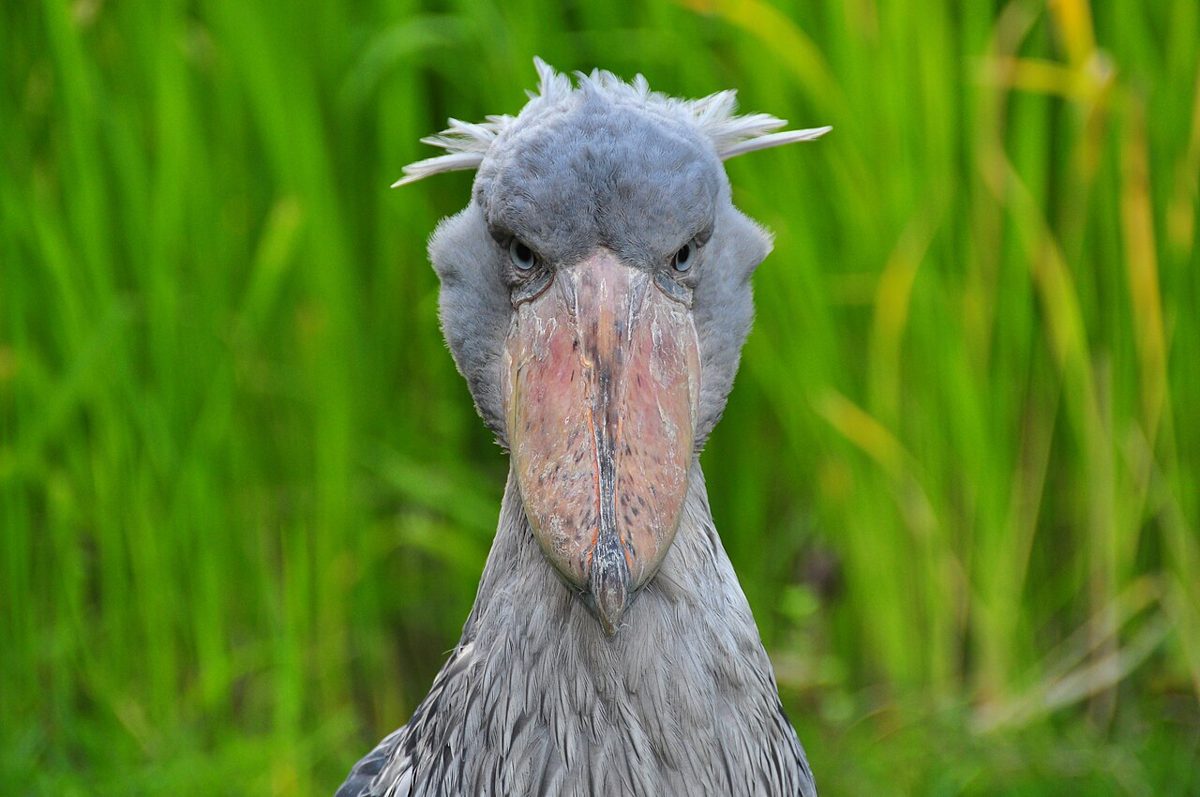
Standing well over a metre tall, the shoebill has a bill shaped like a giant clog and a stare that looks permanently unimpressed. It lives in the papyrus swamps of East and Central Africa, with Uganda one of the best places to see it.
It hunts by standing almost perfectly still for long periods, then lunging at prey such as lungfish. Despite the nickname it is not a true stork; it sits in its own family. Shoebills also make a loud machine-gun clatter with their bills, which does nothing to make them seem more real.
4. The Maned Wolf
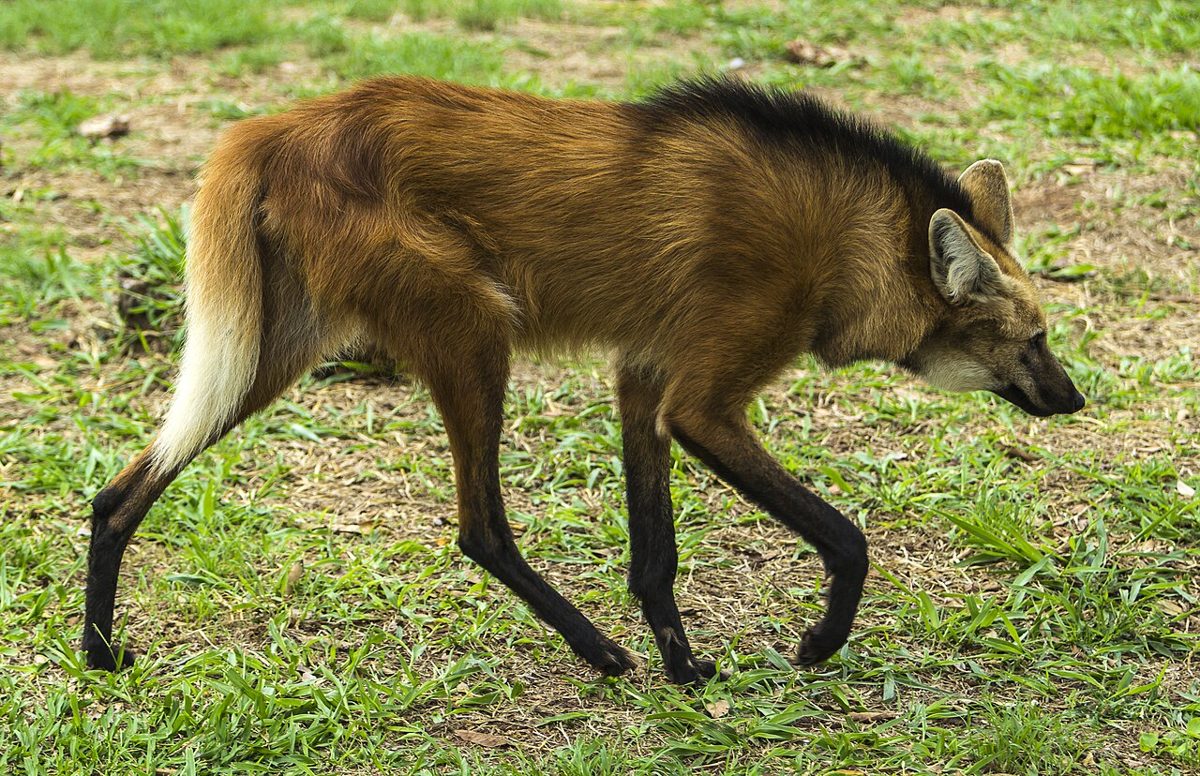
Picture a red fox, then stretch its legs until it looks like it is walking on stilts. That is the maned wolf, the tallest wild member of the dog family, found in the grasslands of Brazil, Paraguay, Argentina and Bolivia. Those long legs let it see over tall grass.
It is neither a wolf nor a fox but the only species in its own genus. Up to half of its diet is fruit, especially the lobeira or “wolf apple”. It is also famous for urine that smells strongly like cannabis, a quirk that once had police at a zoo searching for a non-existent drug stash.
5. The Star-Nosed Mole
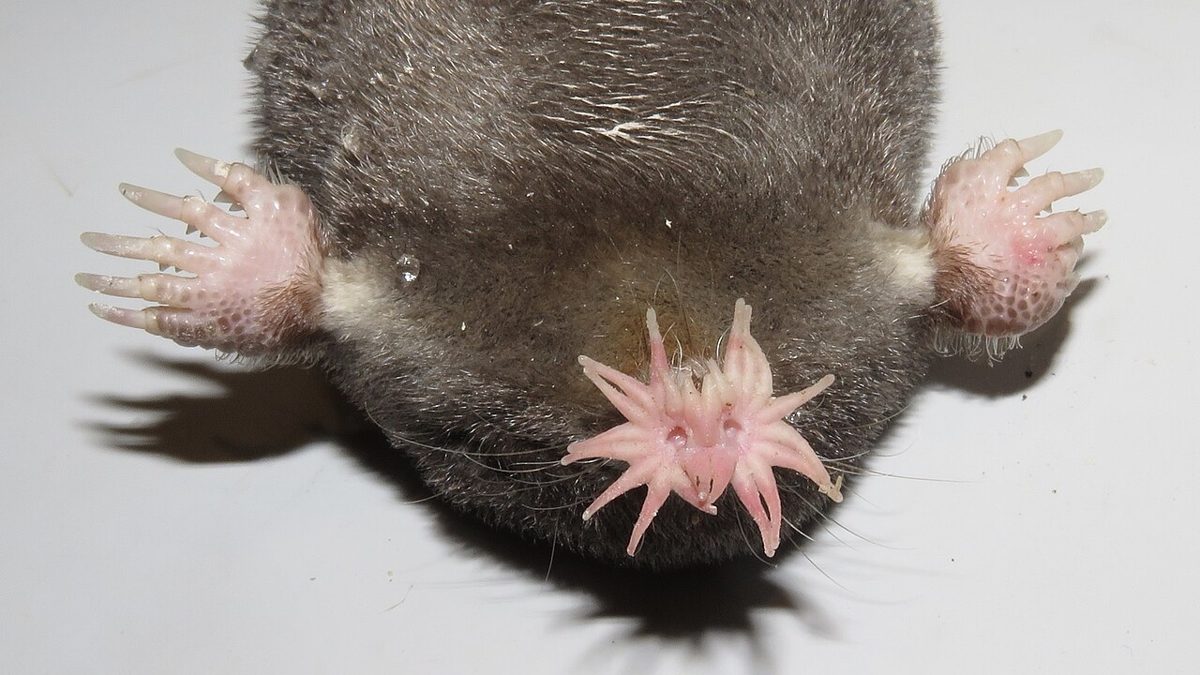
Instead of a normal snout, this mole has 22 fleshy pink tentacles arranged in a star. It lives in wet soil and marshes in eastern Canada and the north-eastern United States, and it is almost blind, so the star does the seeing.
The star is packed with roughly 25,000 tiny touch sensors, which makes it one of the most sensitive touch organs known in any mammal. Researchers have measured it identifying and eating a piece of food in a fraction of a second, among the fastest foraging ever recorded. It can even smell underwater by blowing bubbles and sniffing them back in.
6. The Pink Fairy Armadillo
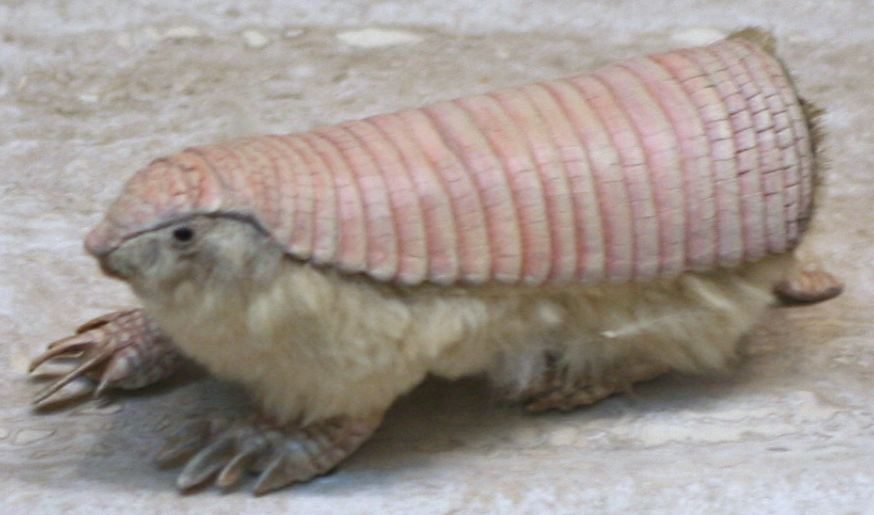
The smallest armadillo in the world is about 10 cm long, has a rose-pink shell, and a fluffy white underside. It lives in the sandy plains of central Argentina and spends almost all its time underground, swimming through sand with oversized front claws.
Its shell is attached to the body only along a thin strip on its back, and the pink comes from blood vessels showing through. It is so rarely seen that scientists still do not know how many exist, which is why it is listed as Data Deficient.
7. The Japanese Spider Crab
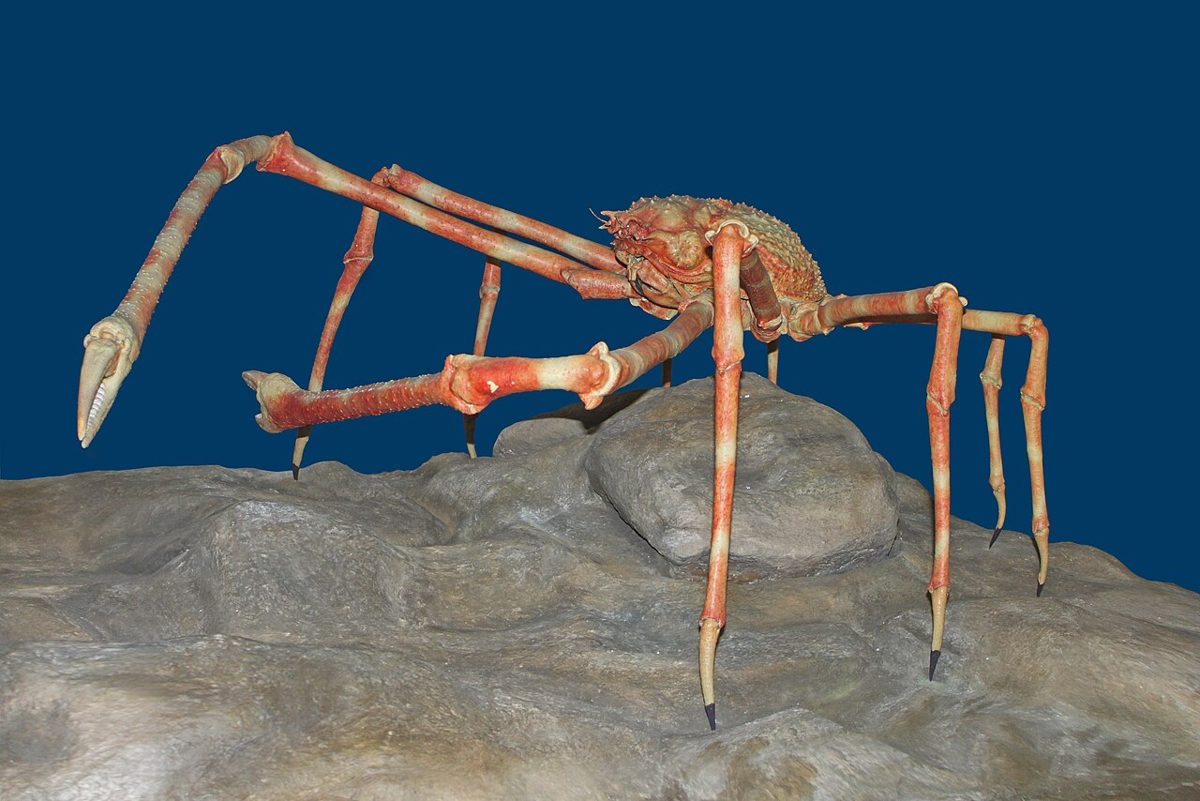
Its body is only about the size of a dinner plate, but its legs can reach a span of up to 3.7 metres, the largest of any known arthropod. It lives in the deep waters around Japan, typically hundreds of metres down, and is thought to live for many decades, possibly up to a century.
Despite looking like a horror-film monster, it is a slow scavenger that picks at dead animals and plants on the sea floor. Young crabs decorate their shells with sponges and seaweed for camouflage.
8. The Axolotl
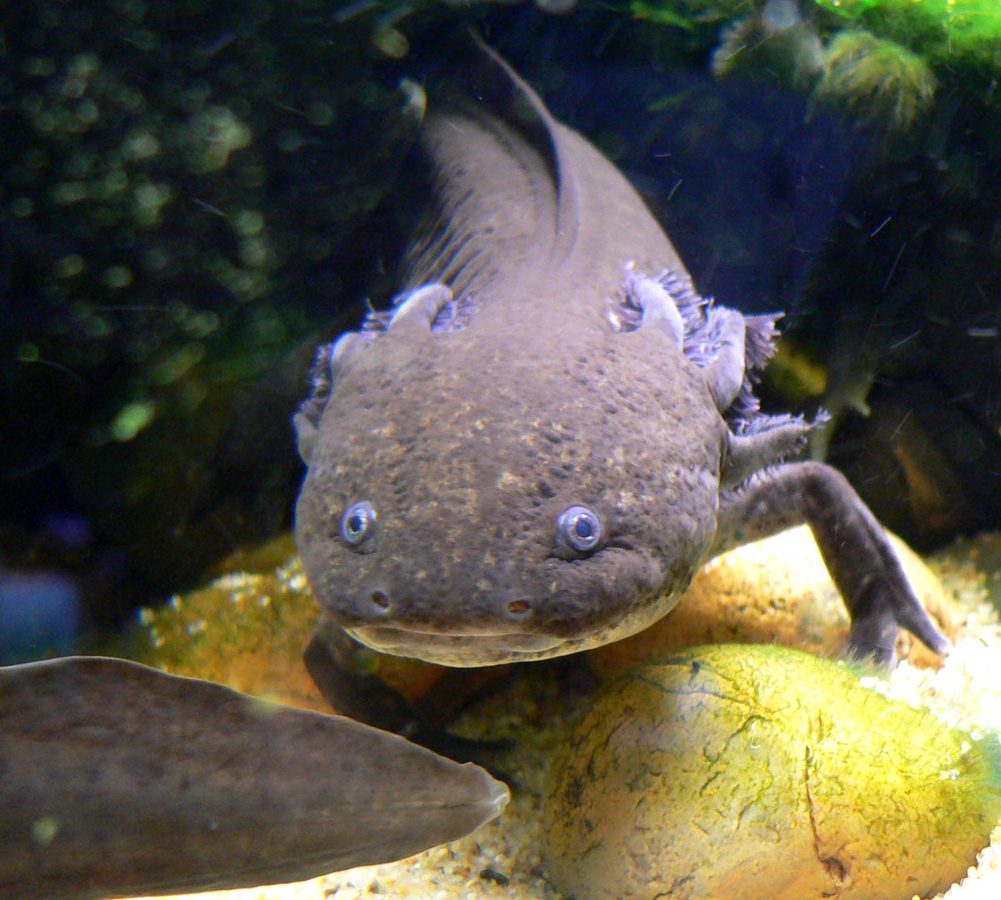
With its permanent smile and feathery pink gills, the axolotl looks like a cartoon character. It is a salamander that never fully grows up: it keeps its larval gills and lives underwater its whole life, a trait called neoteny.
It can also regrow lost limbs, parts of its spinal cord and even pieces of its heart and brain, which is why it is studied in labs worldwide. In the wild, though, it survives only in the canals of Xochimilco near Mexico City and is critically endangered.
9. The Sunda Colugo
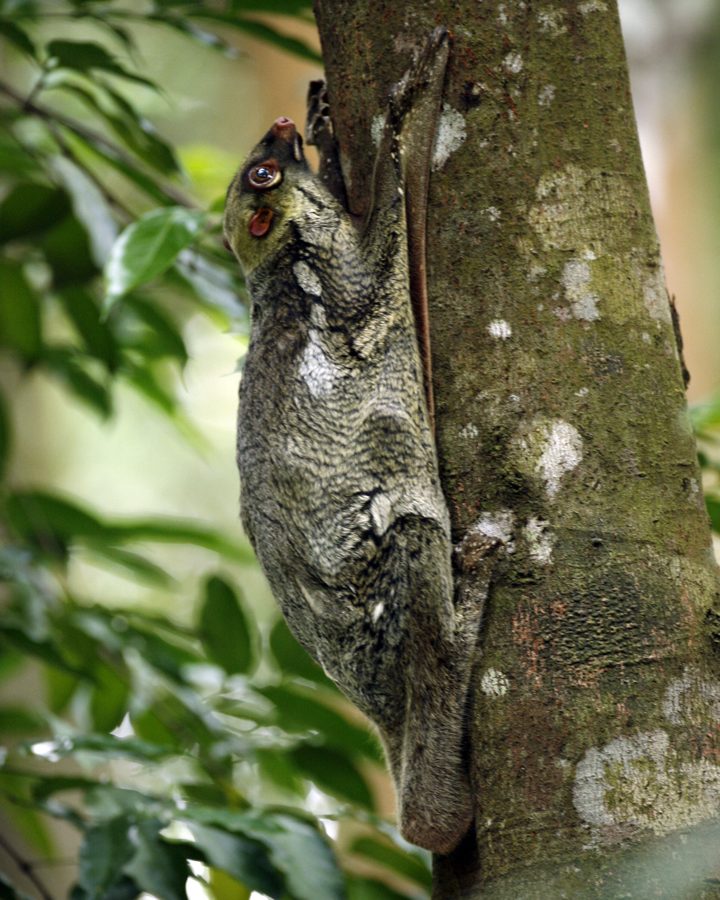
Often called a flying lemur, the colugo is neither a lemur nor able to fly. It is a cat-sized mammal from the forests of Southeast Asia with a furry skin membrane that stretches from its neck to the tips of its fingers, toes and tail.
When it spreads its limbs, it turns into a living kite and can glide around 100 metres between trees. Colugos are among the closest living relatives of primates, which makes them distant cousins of ours.
10. The Yeti Crab
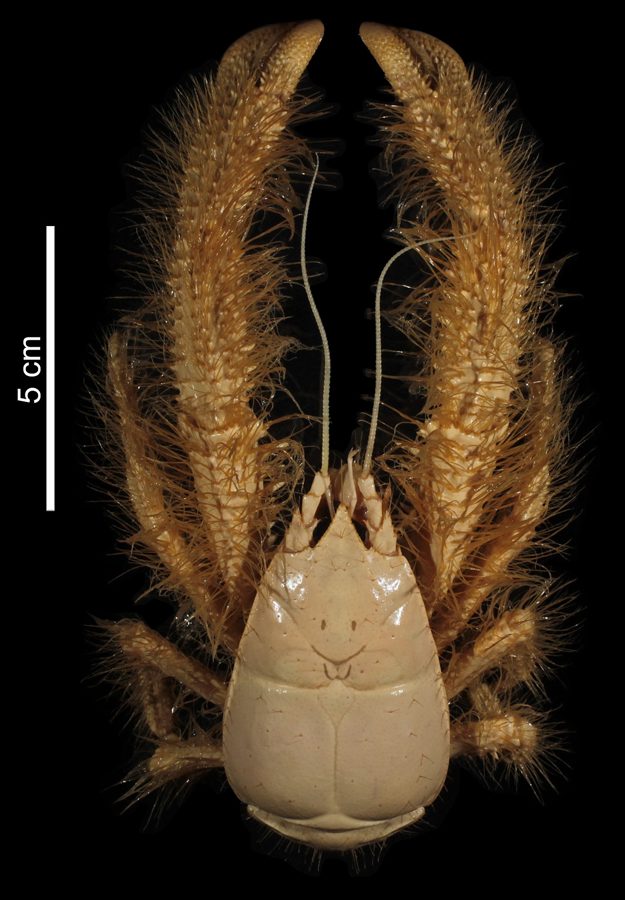
Discovered only in 2005, the yeti crab lives around hydrothermal vents more than 2,000 metres deep in the South Pacific, near Easter Island. Its arms are covered in long, blond, hair-like bristles that make it look like a crab wearing a fur coat.
Those bristles host colonies of bacteria, and scientists believe the crab feeds on them, essentially farming its own food on its arms. It lives in complete darkness and has very poorly developed eyes.
Frequently Asked Questions
What animal looks the most fake?
The blue dragon sea slug and the star-nosed mole are the two most often mistaken for edited photos. The blue dragon’s colours look painted on, and the mole’s tentacled star looks like special effects.
Is it safe to touch a blue dragon?
No. Blue dragons store stinging cells from the Portuguese man o’ war they eat, and those cells can still sting you, even from a slug that has washed up dead on the beach.
Is the maned wolf a wolf or a fox?
Neither. The maned wolf belongs to the dog family but is the only living member of its own genus, Chrysocyon, and is not closely related to either wolves or foxes.
Can you keep an axolotl as a pet?
In many places, yes, and captive-bred axolotls are common in the pet trade. Some US states, including California, restrict or ban owning them, so check your local rules first. Wild-caught axolotls should never be bought.
Keep Reading
- 8 Abandoned Places Frozen in Time (And the Stories Behind Them)
- The Door to Hell: Turkmenistan’s Burning Darvaza Gas Crater
- 11 Weird Laws Around the World That Still Exist